Identifying and Addressing Sacrifice Zones in Critical Mineral Mining: A Comprehensive Guide
Overview
The global race to secure critical minerals for technologies like artificial intelligence and clean energy has created troubling 'sacrifice zones'—areas where mining operations cause severe environmental degradation and human suffering. These zones are often located in low-income regions, where pollution contaminates water, child labor is rampant, and birth defects are alarmingly common. This guide will help you understand the key characteristics of sacrifice zones, identify their warning signs, and assess the broader implications for supply chains and communities. Whether you are a policy analyst, an investor, or an advocate, this tutorial provides a framework for recognizing and addressing the hidden costs of mineral extraction.
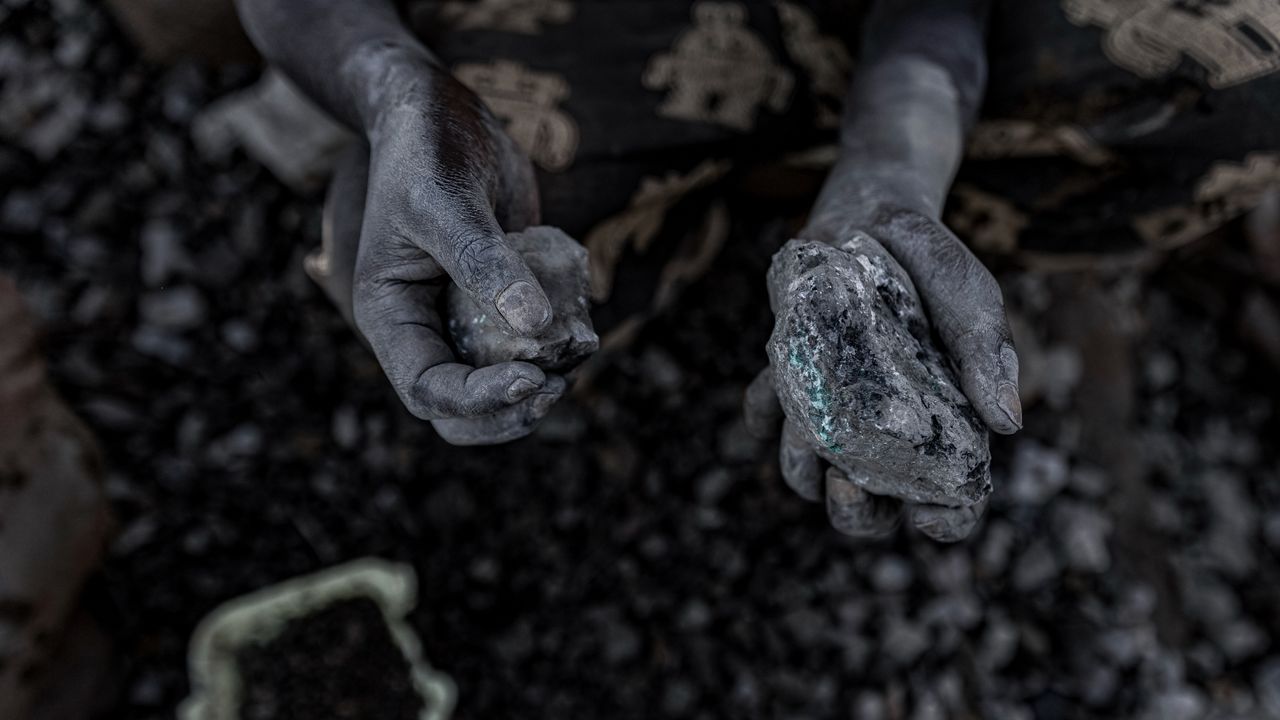
By walking through each step, you will learn how to evaluate mining projects for potential sacrifice zone dynamics, from environmental contamination to labor abuses. The information is based on documented case studies and reports from impacted regions worldwide.
Prerequisites
- Basic familiarity with mining processes and mineral supply chains (e.g., lithium, cobalt, rare earth elements).
- Awareness of environmental justice concepts and their relevance to global industries.
- Access to reliable data sources such as NGO reports, academic studies, and satellite imagery (optional but helpful).
- An openness to examining the social and health impacts often overlooked in mainstream discussions.
Step-by-Step Guide to Recognizing Sacrifice Zones in Critical Mineral Mining
This section breaks down the identification process into five actionable steps. Use the anchor links to jump to any step: Step 1, Step 2, Step 3, Step 4, Step 5.
Step 1: Understand the Geopolitical and Economic Drivers
Sacrifice zones do not emerge randomly. They are a direct consequence of the high demand for critical minerals used in AI chips, electric vehicle batteries, and renewable energy storage. Nations and corporations competing for these resources often prioritize speed and cost over community welfare. Begin by mapping the mineral supply chain for the commodity in question—cobalt, for example, is heavily mined in the Democratic Republic of Congo, where regulatory oversight is weak. Recognize that the pressure to achieve net-zero emissions or AI dominance creates externalities that disproportionately burden the Global South. Look for patterns: mining operations in conflict-affected or politically unstable areas are more likely to become sacrifice zones.
Step 2: Detect Environmental Contamination
The hallmark of a sacrifice zone is widespread pollution. Start by examining water sources near mining sites. Heavy metals like arsenic, lead, and cadmium often leach into rivers and groundwater, affecting drinking water and agricultural irrigation. Use satellite imagery (e.g., from NASA's Earth Observatory) to identify discolored water bodies or tailings ponds. Check for documentation of acid mine drainage, which occurs when sulfide minerals are exposed to air and water, creating sulfuric acid. Also look for air pollution from dust and processing emissions. For example, studies around lithium mines in Chile's Atacama Desert have shown depletion of freshwater and contamination of salt flats. Document any reports of fish kills, dying vegetation, or soil pH changes—these are red flags.
Step 3: Identify Health and Social Impacts
Once environmental contamination is suspected, investigate the human toll. Common health issues in sacrifice zones include respiratory diseases, skin lesions, and a high incidence of birth defects such as neural tube defects or cleft palates. Look for hospital records or epidemiological studies that show a correlation between mining activity and local health problems. For instance, communities near cobalt mines in the DRC have reported elevated rates of congenital disabilities. Also note signs of displacement: families forced to move due to land degradation or flooding from mining operations. Social impacts often include loss of traditional livelihoods (farming, fishing) and the breakdown of community structures. Interview or read accounts from local residents—NGO reports from organizations like Amnesty International or Human Rights Watch are valuable sources.
Step 4: Examine Labor Practices
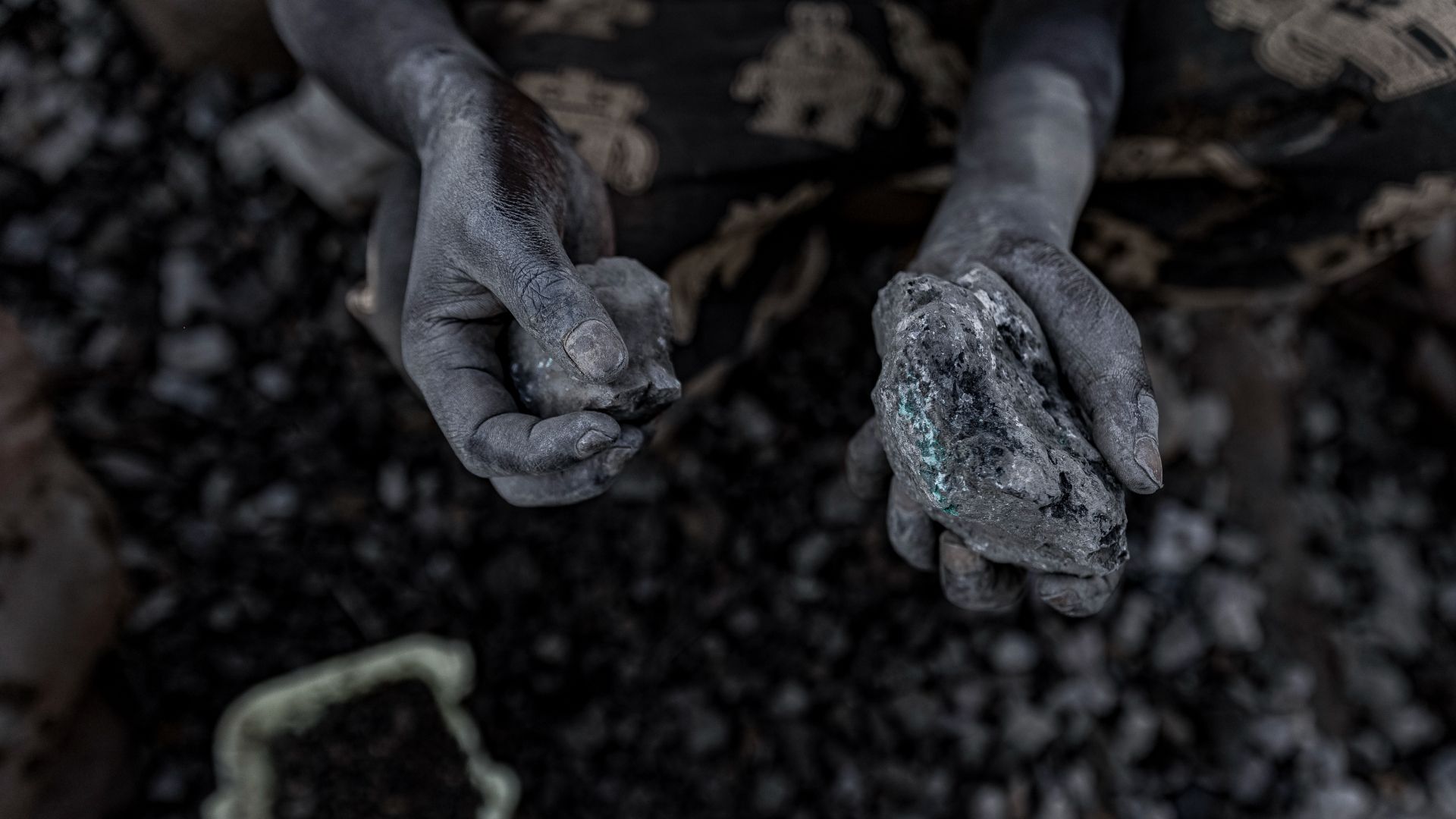
Sacrifice zones are notorious for exploitative labor, including child workers. Check whether the mine employs underage individuals, often in hazardous roles like ore sorting or excavation. The International Labour Organization (ILO) has documented child labor in artisanal and small-scale mines in countries like Madagascar (for mica) and the DRC (for cobalt). Look for signs such as lack of safety equipment, long hours without breaks, or wages below the local minimum. Also examine whether miners are paid in goods (e.g., food) rather than cash, which can indicate debt bondage. A lack of union presence or labor oversight is a strong indicator. For deeper analysis, compare the company's published labor policies against on-the-ground realities reported by investigative journalists.
Step 5: Analyze Regulatory Failures
A sacrifice zone exists because regulations are weak, poorly enforced, or actively circumvented. Investigate the regulatory framework of the country where the mine operates. Are there environmental impact assessments? Are they publicly accessible? Check for permits and their expiration dates. Pay attention to instances where mining companies have been fined or sued for violations. For example, some operations in Indonesia have been accused of dumping waste into rivers despite having permits. Look for 'race to the bottom' dynamics: countries may relax standards to attract investment. Additionally, examine if local communities were consulted—lack of Free, Prior, and Informed Consent (FPIC) is a common issue. Meanwhile, trace the supply chain to see if downstream consumers (e.g., battery manufacturers, tech firms) have conducted due diligence. If they ignore these failures, they are complicit in maintaining the sacrifice zone.
Common Mistakes in Assessing Sacrifice Zones
- Focusing only on environmental data: While contamination is critical, neglecting social and labor aspects leaves the picture incomplete. A mine might have modern pollution controls but still exploit child workers.
- Assuming all mining is equally harmful: Not all operations become sacrifice zones. The key is the combination of toxicity, lack of oversight, and disregard for community wellbeing. Large-scale industrial mines can sometimes have better controls than artisanal mines.
- Relying solely on corporate reports: Companies often greenwash their operations. Independent third-party audits, forensic investigations, and local testimonials are more reliable. For instance, a company may claim zero child labor, but hidden subcontractors may still use it.
- Ignoring the role of global demand: Sacrifice zones are not solely a producer-country problem. Consumer demand for cheap minerals (driven by AI and clean energy goals) fuels the exploitation. Avoid blaming only local actors.
- Overlooking cumulative impacts: A single mine may not seem devastating, but multiple mines in one region create a combined effect on water tables and air quality. Look at regional clusters.
Summary
Sacrifice zones are the dark underbelly of the critical mineral boom, where pollution, birth defects, and child labor are normalized. By systematically examining the drivers, environmental contamination, health impacts, labor abuses, and regulatory gaps, you can identify these zones and advocate for change. This guide equips you with the analytical framework to ask the right questions and push for responsible sourcing. Ultimately, addressing sacrifice zones requires a shift from extraction at all costs to a model that respects both people and planet.