Rethinking Neanderthal Intelligence: Brain Size May Not Tell the Whole Story
Comparing Neanderthal and Modern Human Brains
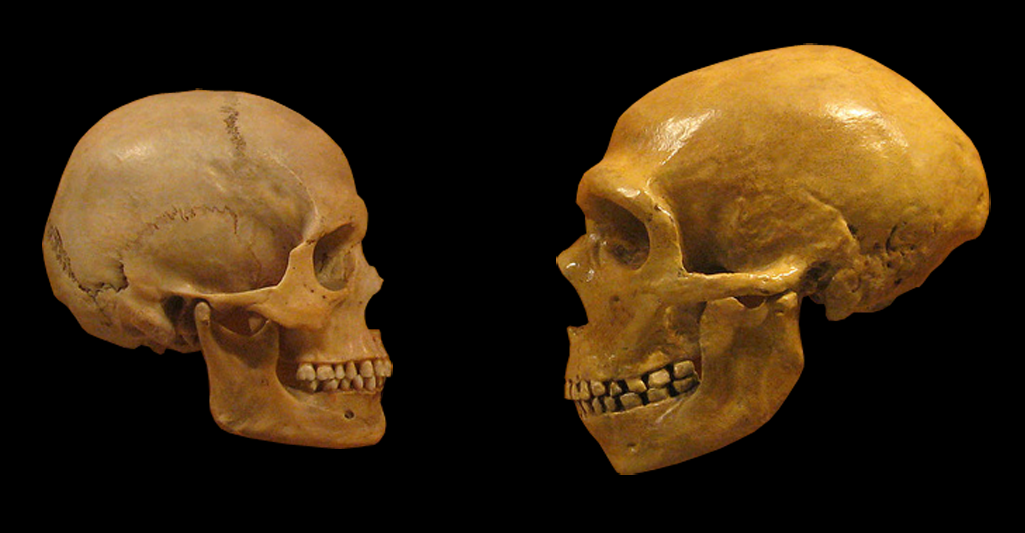
When you examine a Neanderthal skull alongside that of a modern human, the differences are immediately apparent. Neanderthal crania are lower and more elongated, while ours are rounder. However, a recent study suggests that these external variations might not reflect significant differences in the cognitive abilities of the two species. By comparing MRI scans of living humans with endocasts—internal molds of ancient skulls—researchers found that brain size varies more among contemporary individuals than between Neanderthals and ancient Homo sapiens.
What Endocasts Reveal
After death, the inner cavity of a skull retains the imprint of the brain. Paleontologists can create a model of this cavity, known as an endocast, to study the external shape of the brain. This process happened naturally in some fossils, like the sediment-filled skull of an Australopithecus africanus child who died 2.8 million years ago, producing a striking endocast that is part rock, part crystal. For decades, scientists have analyzed Neanderthal endocasts to understand how their brains compared to ours, leading to ongoing debates.
Brain Size Variation Within Our Species
The study highlights that the range of brain sizes among modern humans is greater than the difference between Neanderthals and Pleistocene Homo sapiens. This finding matters because brain size alone is a poor predictor of cognitive capability. If Neanderthal brains fit comfortably within the modern human range, then previous claims about their intellectual inferiority may be unfounded. Indeed, the archaeological record—including evidence of complex tools, burial practices, and symbolic behavior—suggests that Neanderthals were far more like us than once thought.

Implications for Cognitive Ability
The results imply that our species likely did not outcompete Neanderthals by being smarter or more adaptable. Instead, the reasons for their extinction may lie elsewhere—perhaps in differences in social structure, population size, or responses to environmental changes. This challenges the traditional narrative of human superiority and emphasizes that cognitive similarity does not guarantee survival.
Rethinking Human Evolution
By shifting focus from brain size to brain organization and function, researchers can better understand the true relationship between Neanderthals and modern humans. The study advocates for a more nuanced view, where Neanderthals are not seen as brutish competitors but as fellow hominins with complex capacities. Future research may explore how subtle differences in brain structure, rather than overall size, influenced behaviors and adaptations.
In summary, this analysis underscores the need to reassess assumptions about Neanderthal intelligence. While their skull shape differs from ours, the brains within were remarkably similar—and that similarity has profound implications for our understanding of human evolution.