Open Block Protocol Announced to Standardize Web Content Blocks
Breaking: New Open Protocol Promises Universal Block Interchange
A new open-source initiative called the Block Protocol aims to end the fragmentation of block-based web editors by enabling any block to work across any application. The protocol, released as an early draft, allows developers to create a block once and have it function in WordPress, Notion, Medium, or any other compliant editor.
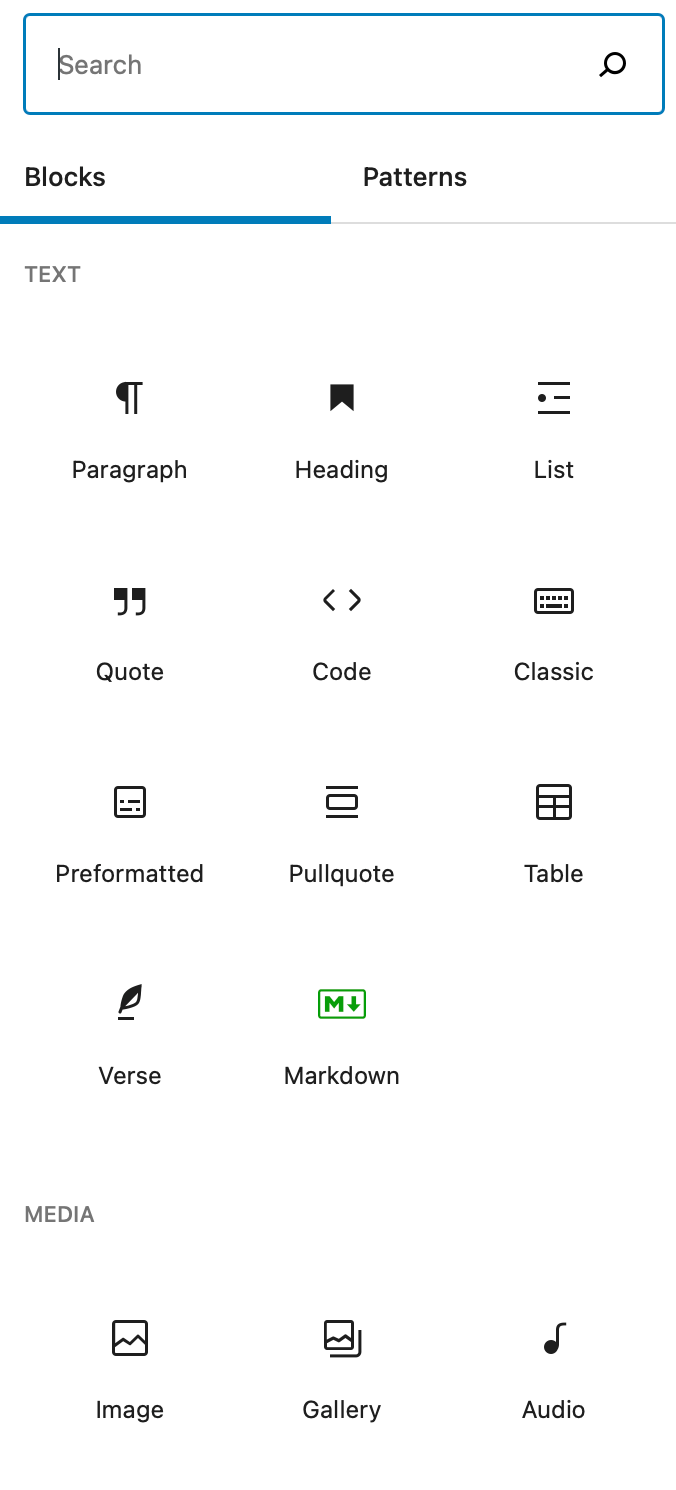
“Until now, every app that wants blocks has to implement them from scratch,” said the project’s lead developer. “This means users are locked into whatever blocks their specific tool supports. We want blocks to be as interchangeable as images or URLs.” The protocol is completely free, non-proprietary, and all sample code will be open source.
Background: The Block Fragmentation Problem
Most modern web editors—from blogging tools to note-taking apps—have adopted a block-based interface. Users insert paragraphs, lists, images, or Kanban boards by clicking a “+” button or typing “/”. While the concept is popular, every platform has implemented blocks in a proprietary way.
“We have standardized on the slash key for insertion, but nothing else,” the developer explained. “When a user wants a fancy calendar block they saw in Notion but their editor doesn’t have it, they’re out of luck. Blocks can’t be shared, exported, or reused without major rework.”
This non-standardization forces each editor to rebuild common blocks from scratch, often resulting in fewer features and incomplete implementations. End-users suffer because they can only use blocks their specific tool supports.
What Is the Block Protocol?
The Block Protocol defines a standard interface between embedding applications (like a blog editor) and block content. Any block that follows the protocol can be used in any compliant app. The protocol is open, free, and designed to be universal.
“We’re creating a protocol that embedding applications use to host blocks,” the team stated. “If everyone follows it, a block developed for one platform will instantly work in every other platform that adopts the protocol.” The early draft includes simple example blocks and a basic editor that hosts them.

Potential block types include everything from basic paragraphs and lists to complex diagrams, Kanban boards, order forms, calendars, and interactive data visualizations. The protocol also supports typed structured data.
What This Means for Developers and Users
For app developers, the protocol drastically reduces development time. Instead of implementing dozens of block types, they write one integration and immediately gain access to a growing library of community-made blocks. “You write the embedding code once and your editor can embed any block in existence that follows the protocol,” the team explained.
For end-users, it means freedom from platform lock-in. If a user switches from WordPress to a new note-taking app that supports the protocol, their custom blocks will still work. Content becomes portable and feature-rich. The protocol aims to foster an open-source community that builds a massive library of high-quality blocks.
Key Benefits at a Glance
- Reusability: Write a block once, use it anywhere.
- Interoperability: Blocks work across all compliant editors.
- Open & Free: No licensing fees; all code is open source.
- Community-Driven: Any developer can contribute blocks.
The team is now seeking feedback on the early draft and inviting contributors to build blocks and editor integrations. “We want the Block Protocol to be everywhere on the web—just like HTML itself,” they said.
For more details, visit the official Block Protocol website (note: external link; not part of this article).