Reviving Unity: How a Community Developer Recreated Ubuntu's Iconic Desktop with Modern Tools
The Rise and Fall of Unity
If Canonical hadn't diverted its resources into the ill-fated Ubuntu Phone project in the mid-2010s, the company might have continued refining its Unity desktop environment into a polished, modern experience. Instead, the smartphone pivot drained funds and goodwill, eventually leading to Ubuntu's switch to GNOME. Yet the spirit of Unity never fully faded—it lingered in the minds of users who appreciated its unique combination of a global menu, launcher, and HUD. Now, thanks to a dedicated community developer, we can see what an evolved Unity might have looked like.

A Glimpse into an Alternate Universe
Ubuntu community member Muqtxdir—a maintainer of the Yaru theme and contributor to the immutable Vanilla OS Linux distribution—recently shared a video showcasing an experimental rebuild of Unity's shell. The project combines Wayfire, a modern Wayland compositor, with GTK4-layer-shell and Libadwaita widgets. The result is a desktop that echoes Unity's hallmark aesthetics while leveraging contemporary Linux graphics and UI frameworks.
What Does It Look Like?
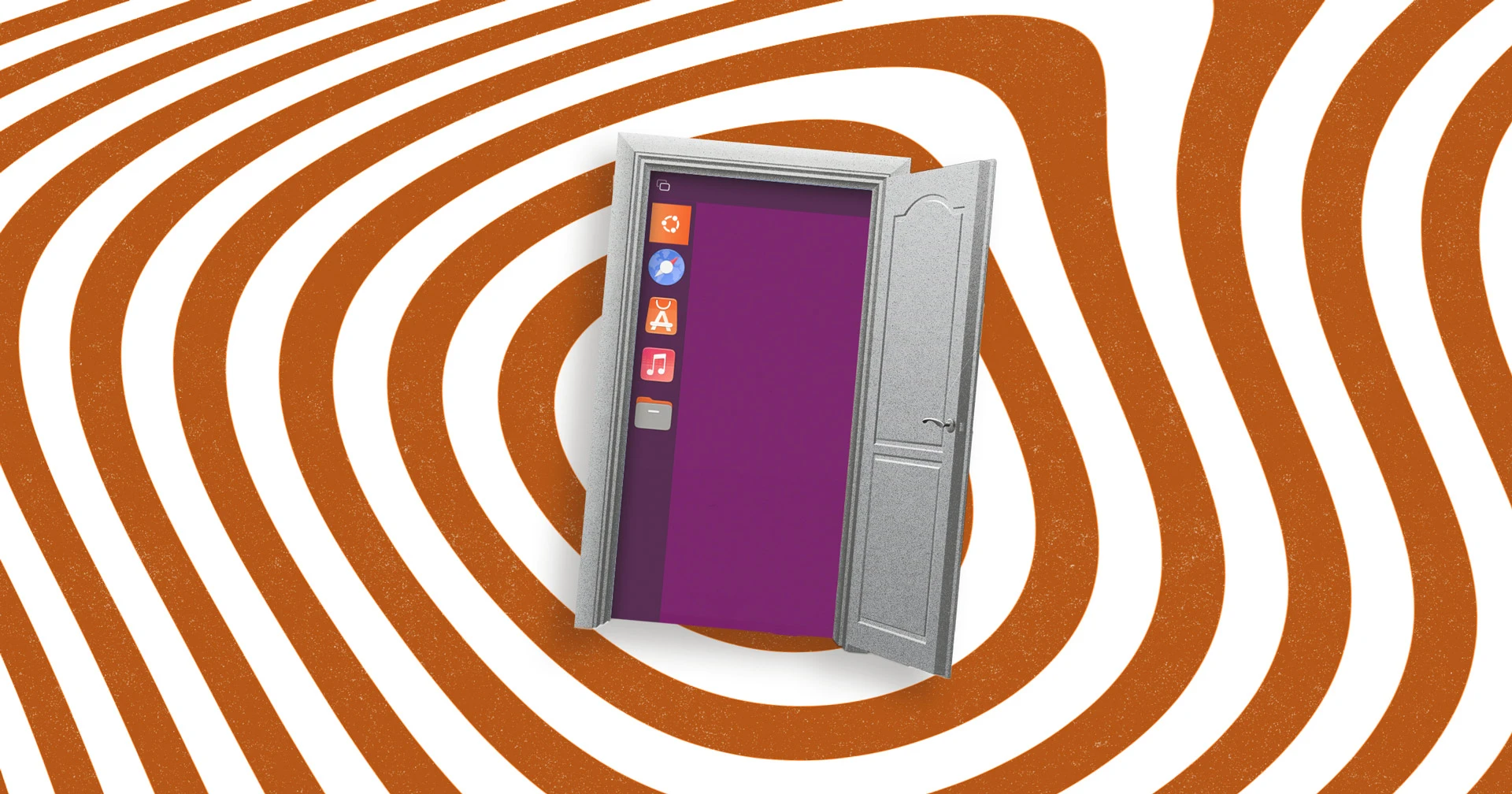
The rebuild captures the essence of Unity: a left-side launcher with vertically stacked icons, a top panel housing the global menu, and a dash that integrates app search and workspace management. However, unlike the original Unity, this version runs on Wayland (via Wayfire) instead of X11, and uses Libadwaita's modern, rounded widgets and smooth animations. The result feels both familiar and refreshingly up-to-date.
The Technology Behind the Remake
Muqtxdir's work is not a full desktop environment but a proof-of-concept shell replacement. Here's the stack:
- Wayfire: A lightweight, extensible Wayland compositor that provides the base for managing windows and input. It's known for its compositor flexibility through plugins.
- GTK4-layer-shell: A protocol that allows GTK4 applications to be positioned as overlays or panels on a Wayland compositor, essential for building Unity's launcher and top bar.
- Libadwaita: GNOME's new widget toolkit (based on GTK4), offering consistent styling, adaptive layouts, and well-designed components. Using Libadwaita ensures the UI aligns with modern Linux desktop trends.
This combination avoids the heavy baggage of a full desktop environment while respecting Unity's original interaction model. The developer describes it as "re-building ubuntu's unity shell in a wayfire session through gtk4-layer-shell and libadwaita widgetry"—a precise technical description that belies the artistic vision behind it.
What This Means for Ubuntu's Future
Though this project remains a community experiment, it sparks interesting questions. Could Canonical ever revisit Unity? Probably not, as GNOME remains the official desktop and the company continues to invest in core Ubuntu infrastructure. However, the remake proves that Unity's design principles—space efficiency, keyboard-centric navigation, and unified search—still have merit. With Wayland finally mature and GTK4/Libadwaita providing a polished look, a modern Unity-inspired desktop is technically feasible.
The Role of Community Innovation
Muqtxdir's work exemplifies how Linux communities keep old ideas alive and evolve them. Yaru, the default Ubuntu theme, already carries subtle Unity influences (e.g., the orange accent colors and the launcher-like dash). This experimental shell could influence future Ubuntu spin-offs or inspire new desktop environments that blend GNOME's foundations with Unity's workflow. Even if it never becomes official, it serves as a living tribute to a desktop that shaped many Linux users' expectations.
More Than Nostalgia
The Unity remake is not just a nostalgia trip—it's a practical demonstration of what modern Linux tools can achieve. By combining Wayfire, GTK4-layer-shell, and Libadwaita, Muqtxdir shows that reimagining old interfaces with new standards is both possible and rewarding. For those who miss Unity, this project offers a tantalizing vision of what might have been. For the broader Linux community, it's a reminder that innovation often comes from grassroots experimentation.
You can see the video demonstration on Muqtxdir's social channels—and perhaps, like many, you'll spend a few minutes dreaming about that alternate timeline where Unity never went away.