The Linux Foundation's Spending: Over 97% Goes Beyond Linux
Introduction
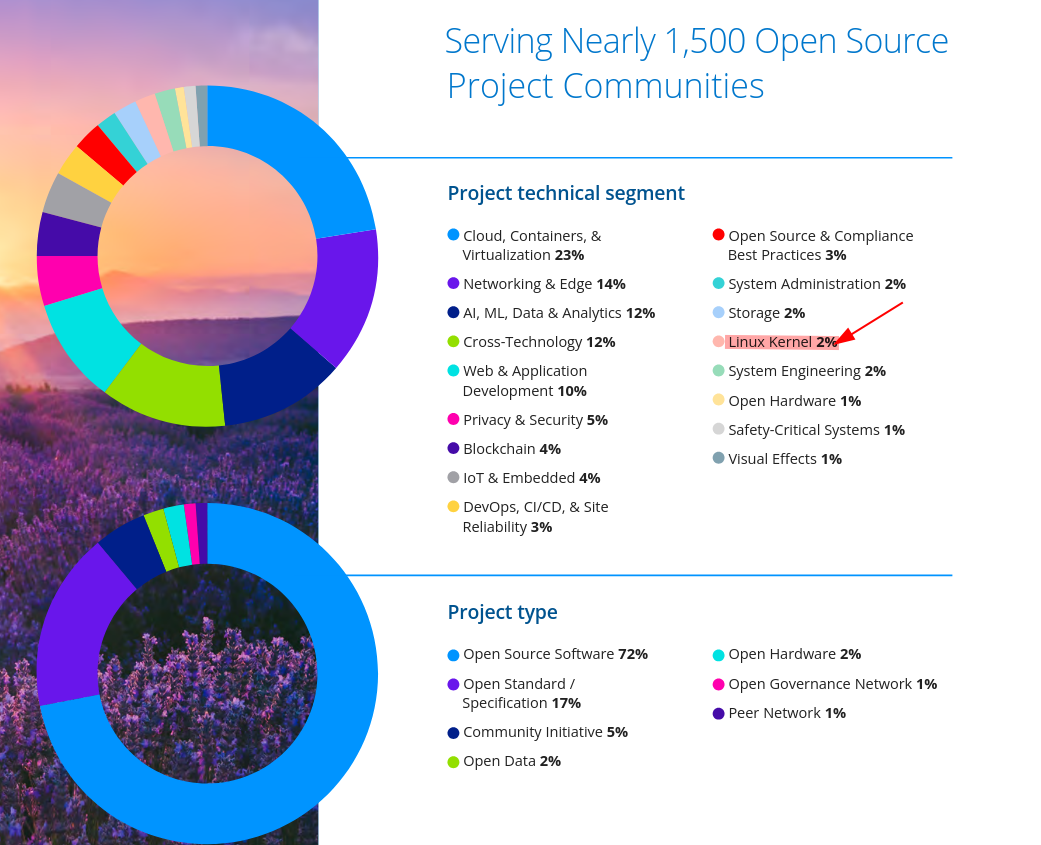
The Linux Foundation, often perceived as the steward of the Linux kernel, actually allocates only a tiny fraction of its budget to the operating system itself. According to a recent analysis, more than 97% of the Foundation's financial resources are directed toward other open-source projects, initiatives, and operational costs. This revelation challenges the common understanding of the organization's mission and raises questions about branding and transparency.

Budget Breakdown: Where Does the Money Go?
The Foundation's annual budget, which runs into tens of millions of dollars, supports a vast ecosystem of projects. While the exact figures vary by year, the pattern is consistent: Linux kernel development receives less than 3% of total spending. The remaining funds are distributed across a wide range of activities.
Hosted Projects and Collaborative Efforts
A significant portion of the budget goes to hosting and supporting dozens of major open-source projects. These include Kubernetes, Node.js, OpenSSL, and many others. The Foundation provides infrastructure, legal support, marketing, and community management for these projects, which collectively represent a large part of modern software development.
Events, Training, and Certification
Another major expense category is events. The Linux Foundation organizes numerous conferences worldwide, such as KubeCon, Open Source Summit, and Linux Kernel Maintainer Summit. These events require substantial funding for venues, logistics, and speaker support. Additionally, the Foundation offers training courses and certification programs, which generate revenue but also consume resources.
Legal and Advocacy Work
A portion of the budget is dedicated to legal defense, intellectual property management, and policy advocacy. The Linux Foundation engages in lobbying efforts related to open-source licensing, patent protection, and government regulations. These activities aim to protect the open-source ecosystem but are not directly tied to Linux development.
Implications of the Spending Pattern
The disparity between Linux's brand recognition and the Foundation's actual spending has several consequences.
Misleading Branding
Critics argue that the name 'Linux Foundation' creates a false impression. Donors and sponsors may believe their contributions directly support Linux, when in fact the majority funds unrelated projects. This could lead to donor fatigue or misaligned incentives.
Resource Allocation Within the Linux Ecosystem
The small percentage allocated to Linux itself raises concerns about whether the kernel receives sufficient resources. While Linus Torvalds and the core development team have stable funding, the overall ecosystem of tools, drivers, and documentation may suffer from underinvestment.
Transparency and Accountability
The Foundation publishes annual reports, but the granularity of spending details is often limited. Observers call for more detailed breakdowns to allow the community to assess priorities and hold leadership accountable.
Historical Context and Evolution
The Linux Foundation was formed in 2007 through the merger of the Open Source Development Labs (OSDL) and the Free Standards Group (FSG). Its original mission was to promote Linux and standardize its development. Over time, the Foundation expanded its scope to embrace the broader open-source landscape, partly in response to the growing importance of cloud-native technologies. This shift has been profitable but also controversial.
Comparison with Other Open-Source Foundations
Other foundations, such as the Apache Software Foundation or the Eclipse Foundation, also support multiple projects, but their names reflect that diversity. The Linux Foundation's name remains centered on one project, even as its portfolio has grown. This discrepancy is unique and fuels ongoing debate.
Conclusion
The Linux Foundation's budget allocation reveals a reality that many in the open-source community find surprising. While the organization plays a vital role in supporting a wide range of projects, the fact that over 97% of its funds go to non-Linux efforts warrants closer scrutiny. For donors and developers alike, understanding this distribution is crucial for making informed decisions about where to invest time and resources. As the Foundation continues to evolve, greater transparency and perhaps a rebranding could help align public perception with organizational reality.