5 Surprising Facts About GameStop's Bold $56 Billion Bid for eBay
When GameStop dropped a $56 billion unsolicited bid to acquire eBay, the financial world did a double take. The video game retailer, famous for its meme-stock saga, is now aiming to merge with the e-commerce giant. But as details emerge, many questions remain—especially around how GameStop plans to pay for such a massive deal. Here are five key facts you need to know about this audacious proposal.
1. The Unsolicited Offer That Shocked Wall Street
GameStop's chairman and CEO, Ryan Cohen, sent a letter to eBay's chairman, Paul Pressler, proposing a $55.5 billion acquisition—later reported as $56 billion in media headlines. The offer was unsolicited, meaning eBay had not been seeking a buyer. Cohen argued that eBay has underperformed and spends too much on sales and marketing. By combining with GameStop's physical retail locations, he believes eBay could cut costs and become a stronger company. The sheer size of the bid—more than four times GameStop's own market capitalization—caught analysts off guard.
2. How GameStop Plans to Pay: A Mystery Yet Unsolved
The biggest question surrounding the deal is financing. GameStop claims it will obtain debt financing and pay with a mix of cash and stock. However, given that eBay's market cap dwarfs GameStop's, skeptics are wondering where the money will come from. GameStop has not provided detailed financial commitments or names of lenders. This lack of clarity has led many to question the proposal's viability. Cohen's letter expressed confidence, but investors remain cautious. The company's ability to raise such a large sum—especially with rising interest rates—is a major hurdle that has yet to be explained.
3. Ryan Cohen's Vision: Physical Stores Meet Digital Marketplace
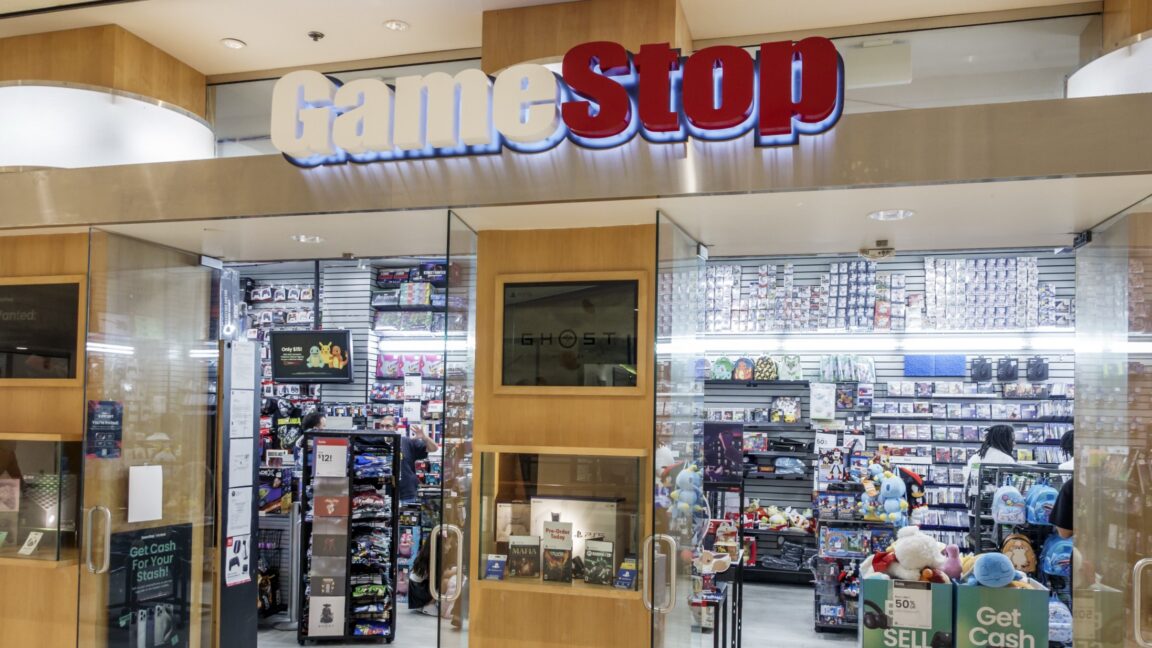
Cohen's pitch relies heavily on GameStop's physical footprint. In his letter, he highlighted that GameStop's ~1,600 U.S. locations could give eBay a national network for authentication, intake, fulfillment, and live commerce. This would be a unique advantage—allowing eBay to offer faster shipping, in-person authentication for high-value items, and even live auction events. Cohen argues that eBay's current model leaves too many processes outsourced, and integrating with brick-and-mortar stores could streamline operations. Whether this hybrid model would actually attract more users or reduce costs is still speculation.
4. The Size Discrepancy: David vs. Goliath?
To put the deal in perspective: eBay's market capitalization is over four times larger than GameStop's. This asymmetry has led to comparisons with David vs. Goliath—though here, David is trying to buy Goliath. GameStop's own stock price is volatile, and its market cap fluctuates wildly. Taking on this level of debt would be a huge risk. Many analysts believe the bid is more of a strategic move to pressure eBay into negotiations or to attract other suitors. Either way, the size gap makes the proposal highly unusual and raises concerns about GameStop's financial stability.
5. What This Means for eBay and E-Commerce Landscape
If the deal goes through, it would create a powerful hybrid: eBay's online marketplace combined with GameStop's physical stores. But the outcome remains uncertain. eBay's board has not publicly responded, and the company may explore other options, including a poison pill or seeking a white knight. The e-commerce landscape is already dominated by Amazon, and this merger could challenge that dominance—or it could fail spectacularly. For now, the industry is watching closely. The bid highlights the ongoing convergence of digital and physical retail, and whether it works will depend on financing, strategy, and execution.
GameStop's $56 billion bid for eBay is a bold move, but the path to closing the deal is fraught with obstacles. From financing puzzles to size mismatches, many questions remain unanswered. Whether this is a brilliant long-term strategy or a desperate gamble, the story is far from over. Retail investors and Wall Street alike will be watching every twist and turn.