Unplugged Coding: How NHK's Texico Teaches Programming Without a Computer
Introduction
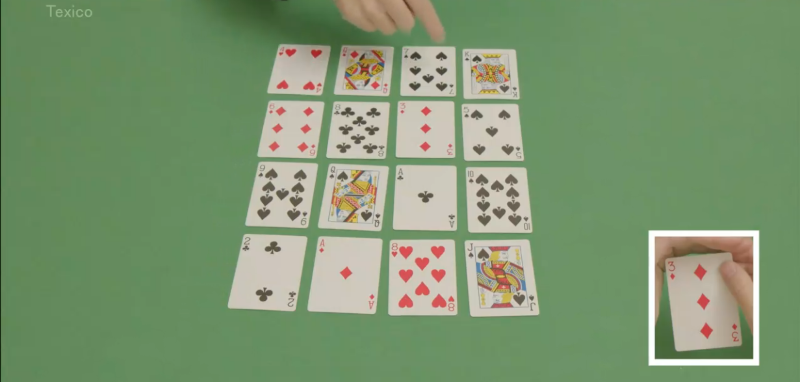
In an era where screens dominate education, a refreshing approach from NHK World flips the script: teaching fundamental programming concepts without a single computer. The series, called Texico (テキシコ), uses everyday objects like toy trains, playing cards, and household items to introduce children—and curious adults—to the logic behind coding. By focusing on abstraction, analysis, and algorithmic thinking, Texico proves that you don’t need a device to grasp the essence of programming.
What Is Texico?
Texico is a short-form video series produced by NHK World, available in both English and French. With ten episodes, each running a few minutes, the show is designed to be light-hearted and accessible. The name itself sparks curiosity—viewers are invited to guess its origin, though the series keeps that a playful mystery. Each episode demonstrates programming ideas using tangible, screen-free activities, making it ideal for young learners and those who thrive on hands-on exploration.
Core Programming Concepts Taught
Rather than memorizing syntax, Texico focuses on the mental frameworks that underpin all programming. Key concepts include:
- Analysis – Breaking down a problem into smaller parts.
- Combination – Combining simple steps to create complex outcomes.
- Simulation – Mentally testing a process before executing it.
- Abstraction – Focusing on essential details while ignoring distractions.
Example: The Paper Magic Trick
One memorable segment uses a simple magic trick to illustrate analytical thinking. By tearing a sheet of paper into nine rectangular pieces, the video demonstrates that every piece has at least one perfectly straight edge—except the center piece. This observation requires careful attention and logical deduction, skills that are vital for debugging and problem-solving in any programming language.
Real-World Algorithm Examples
The series excels at showing algorithms in everyday contexts. Two standout episodes include:
- Mail sorting – How postal workers organize letters by destination mirrors sorting algorithms used in data science.
- Fireworks packing – The sequence of loading fireworks into a shell (fuse, stars, charge) demonstrates sequencing and conditional logic.
These relatable scenarios help viewers see that programming is not just about computers—it’s a way of thinking that applies everywhere.
The Role of Critical Thinking
While the show covers programming concepts, many episodes lean heavily on general critical thinking. As noted in the original material, some segments are more about how to approach problems logically, which is essential for coding but also for life. The magic trick is a prime example: it doesn’t involve any digital code, yet it trains the mind to observe patterns and make inferences. Texico cleverly blurs the line between programming and broader reasoning.
Using Texico at Home or in Class
Texico is perfect for parents and educators who want to introduce computational thinking without overwhelming kids with screens. The videos are short (typically under 5 minutes), making them easy to fit into a lesson or playtime. However, the original article notes a gap: the episodes don’t explicitly connect to actual programming tasks. A set of companion videos or posts could bridge this, and educators are encouraged to create their own follow-up activities—perhaps on platforms like Hackaday.io or YouTube.
Hardware Alternatives
If you prefer sticking with tangible materials, consider classic unplugged exercises like the egg drop challenge (building a container to protect an egg from a fall) or even computerless robot training, where you “program” a person by giving step-by-step instructions. These pair nicely with Texico’s philosophy.
Conclusion and Call to Action
Texico is a charming, clever series that demystifies programming for young minds. Its screen-free approach is a welcome alternative in a digital-saturated world. If you try these episodes with a child, share your experience—did the concepts click? And if you figure out why it’s called Texico (テキシコ), let us know! We’re curious too.
To explore more unplugged coding ideas, check out our other articles on unplugged learning and tangible programming tools.