Stunning Starlink Satellite Video Reveals Earth from Orbit
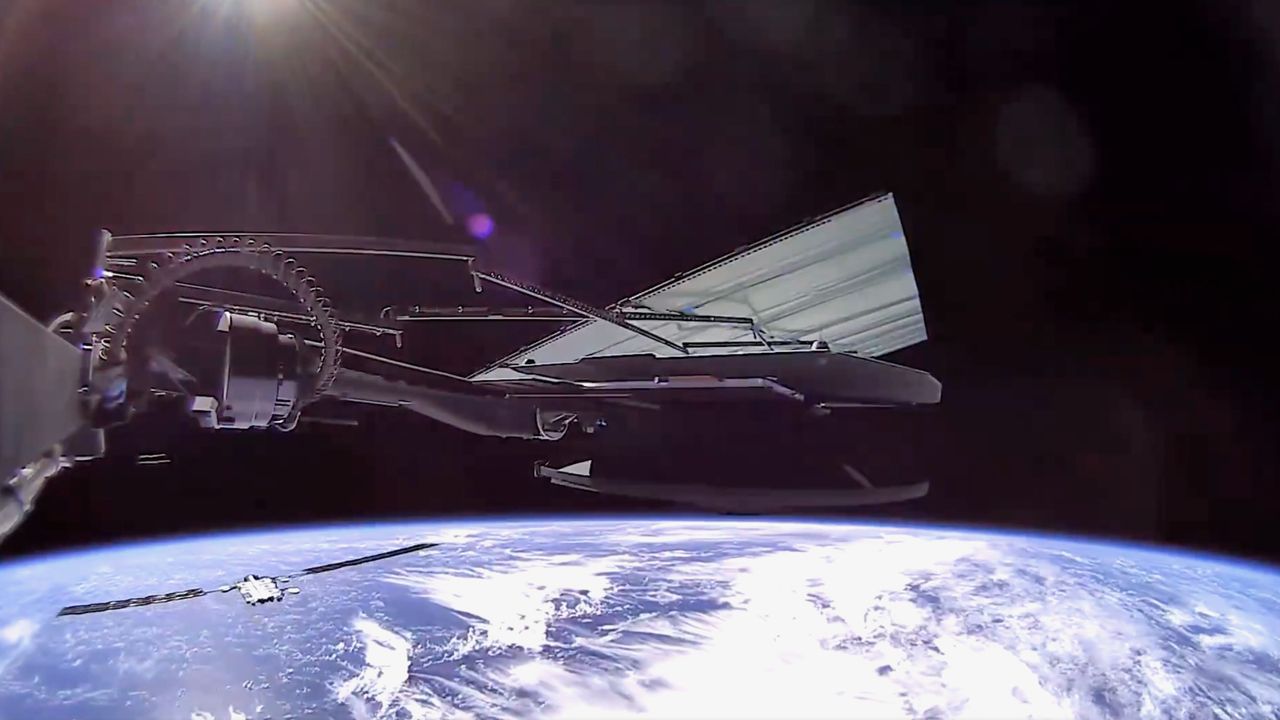
SpaceX has released a breathtaking new video captured by one of its recently deployed Starlink satellites, offering a mesmerizing glimpse of Earth as the satellite speeds through low-Earth orbit.
A New Perspective from Starlink
The footage, recorded by a satellite from the Starlink constellation, provides a unique vantage point high above our planet. Viewers can see continents, oceans, and cloud formations pass by rapidly as the satellite travels at orbital velocity. The video highlights the beauty of Earth’s curved horizon against the blackness of space, with the Sun glinting off the satellite’s solar panels.
The Starlink Constellation
Starlink is SpaceX’s ambitious project to create a global broadband internet network using thousands of small satellites operating in low-Earth orbit. Each satellite weighs about 260 kilograms (570 pounds) and is equipped with advanced communications hardware, including phased-array antennas. The constellation is designed to provide high-speed internet access to even the most remote regions of the world. To date, SpaceX has launched over 3,000 Starlink satellites, with plans to expand the network significantly.
Zooming Above Earth
The video shows the satellite’s journey from a daytime pass over a sunlit portion of the planet to a dramatic sunset transition into the night side. At an altitude of approximately 550 kilometers (340 miles), the satellite orbits Earth every 90 minutes, traveling at roughly 27,000 kilometers per hour (17,000 miles per hour). This means it circles the globe about 16 times a day.
The 'Train' Phenomenon
Fans of Starlink are familiar with the so-called “Starlink train”—a line of bright satellites visible from the ground shortly after launch. In this video, however, we see the view from within the train itself. The satellite captures glimpses of its fellow spacecraft in adjacent orbits, appearing as small, reflective dots moving in formation against the stellar backdrop. This perspective offers a rare sense of the coordinated choreography that makes the Starlink network function.
Technology Behind the Video
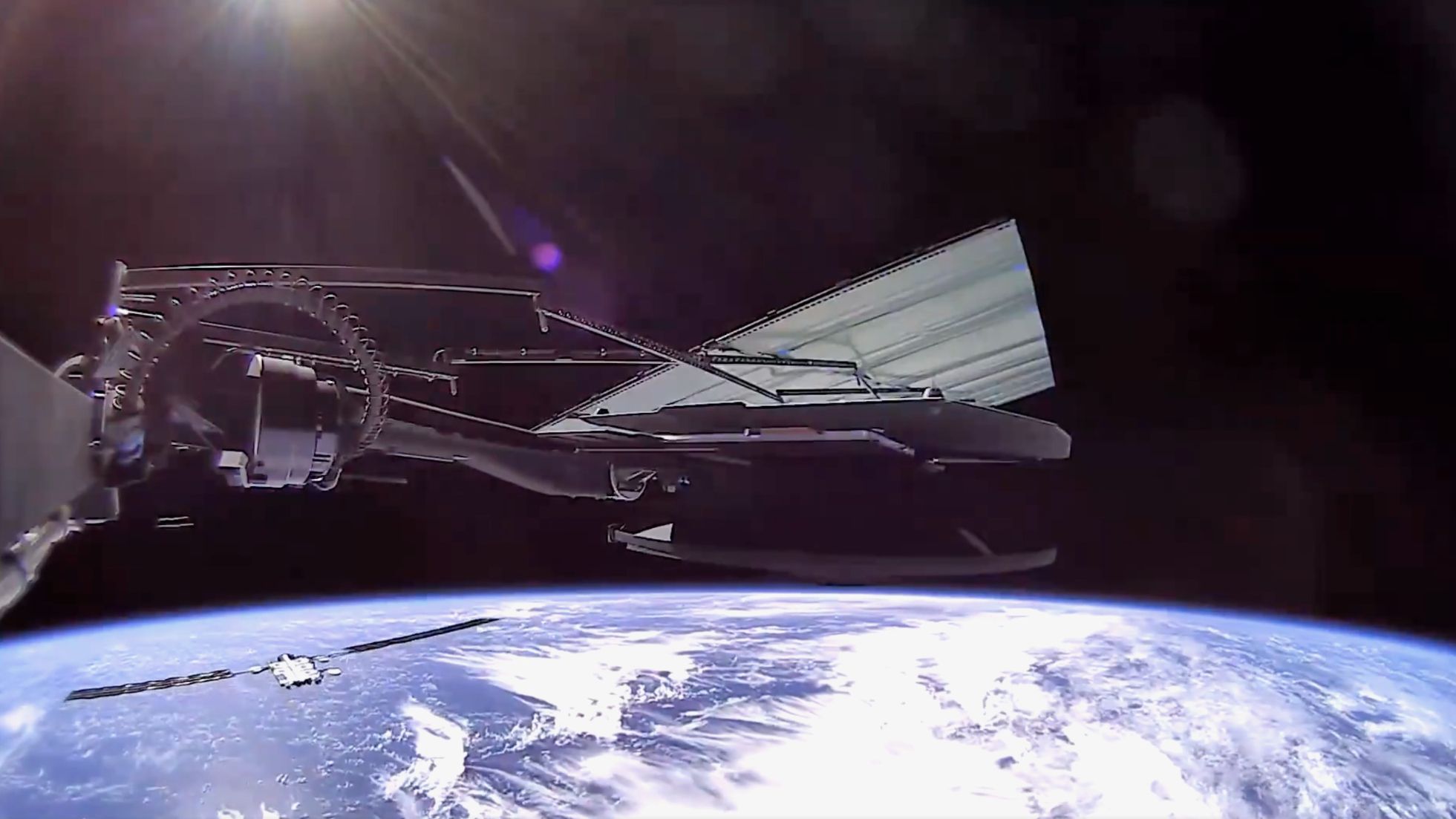
The video was captured by a standard camera installed on the satellite. While primarily used for engineering telemetry, these cameras are capable of recording high-definition footage. Recent advancements in miniaturizing optics and sensors have allowed SpaceX to include such cameras without significantly increasing the satellite’s mass or cost. The footage was downlinked to Earth via the satellite’s communication system and then processed for public release.
Cameras on Board
Details about the specific camera model have not been disclosed, but it is likely a compact CMOS sensor with a wide-angle lens. The camera operates in visible light and can capture both daytime and nighttime scenes, adjusting exposure automatically. Future Starlink satellites may include even more sophisticated imaging capabilities for scientific or commercial purposes.
Implications for Space Observation
Beyond the aesthetic appeal, such videos serve practical purposes. They help engineers verify satellite orientation, solar panel deployment, and thermal performance. Additionally, they offer the public an engaging look at our planet from space, fostering interest in space exploration. The data can also be used to study atmospheric phenomena, such as cloud patterns and auroras, as seen from this unique vantage point.
SpaceX has a history of sharing captivating footage from its missions, including views from Crew Dragon capsules and the Starship test flights. This latest Starlink video adds to that legacy, reminding us of the wonders that lie just beyond our atmosphere.
Conclusion
The Starlink satellite video is more than just a pretty picture—it’s a testament to human engineering and a window into the future of global connectivity. As the constellation grows and technology improves, we can expect even more stunning perspectives from orbit. For now, this clip invites us to marvel at the beauty of our planet and the ingenuity of those who explore it from above.